
$10.00
Add to Cart
GREEN/RED CENTER LIME citrus bush garden plant tree USA Seller 20 Seeds
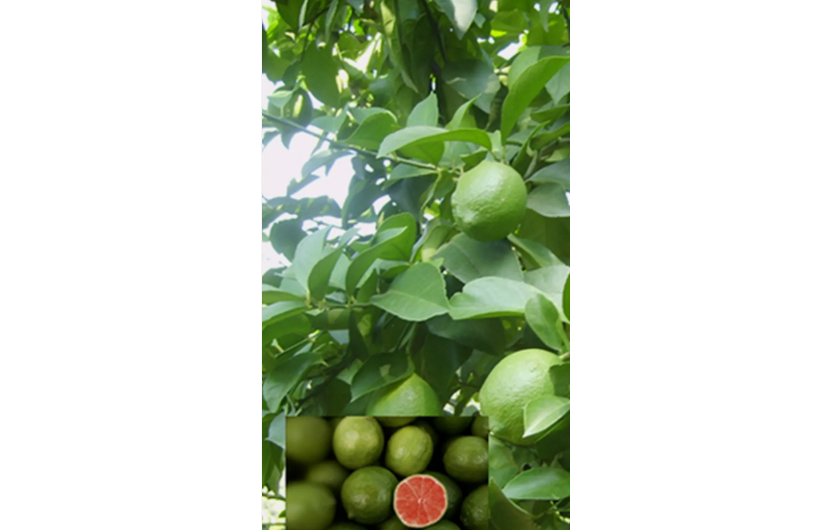
More than 10 available
Details
Shipping: US-Mainland: $4.00 (more destinations)
Condition: Brand new
Returns: 7 days, seller pays return shipping (more)


Germinating lemon or lime seeds can be a fun and rewarding gardening project, but it's important to note that the resulting plants may not always produce fruits identical to the parent plant, especially if the parent was a hybrid. However, if you want to give it a try, here's a step-by-step guide on how to germinate lemon or lime seeds:
1. Seed Collection: Collect seeds from ripe and healthy lemons or limes. Use seeds that are fresh and have not dried out.
2. Seed Preparation:
o Remove the seeds from the fruit, and rinse them to remove any remaining pulp.
o Some people recommend soaking the seeds in warm water for a few hours or overnight to help soften the seed coat. This can potentially speed up germination, but it's not always necessary.
3. Planting:
o Fill small pots or seed trays with a well-draining seed-starting mix. You can also use a mix of potting soil and perlite or vermiculite.
o Plant the seeds about 1/2 to 1 inch (1.3 to 2.5 cm) deep in the soil. You can plant multiple seeds in each pot, but be prepared to thin them out later.
4. Temperature and Light:
o Place the pots or trays in a warm location with temperatures around 70-80°F (21-27°C).
o Provide bright, indirect light. Avoid direct sunlight, which can be too intense for young seedlings.
5. Moisture:
o Keep the soil consistently moist but not waterlogged. Water the pots whenever the top inch (2.5 cm) of soil feels dry. Use a spray bottle to mist the soil surface if necessary.
6. Germination Time:
o Germination can take several weeks to a few months. Be patient, as citrus seeds are known for variable germination times.
7. Transplanting:
o Once the seedlings have developed several sets of true leaves and are large enough to handle, transplant them into individual pots or larger containers. Be gentle when transplanting to avoid damaging the roots.
8. Caring for Seedlings:
o Provide well-draining soil and good-quality potting mix.
o Citrus seedlings appreciate consistent moisture and humidity. Use a humidity dome or cover the pots with plastic to maintain higher humidity levels.
o Fertilize the seedlings with a diluted, balanced liquid fertilizer every 2-4 weeks during the growing season.
9. Hardening Off:
o Before transplanting the citrus seedlings outdoors, gradually acclimate them to outdoor conditions by exposing them to increasing amounts of sunlight and outdoor temperatures over a week or two. This process is called "hardening off."
10. Transplant to the Garden or Larger Pot:
o When the seedlings are large and strong enough, transplant them into the garden or into larger pots where they can grow into mature citrus plants.
1. Seed Collection: Collect seeds from ripe and healthy lemons or limes. Use seeds that are fresh and have not dried out.
2. Seed Preparation:
o Remove the seeds from the fruit, and rinse them to remove any remaining pulp.
o Some people recommend soaking the seeds in warm water for a few hours or overnight to help soften the seed coat. This can potentially speed up germination, but it's not always necessary.
3. Planting:
o Fill small pots or seed trays with a well-draining seed-starting mix. You can also use a mix of potting soil and perlite or vermiculite.
o Plant the seeds about 1/2 to 1 inch (1.3 to 2.5 cm) deep in the soil. You can plant multiple seeds in each pot, but be prepared to thin them out later.
4. Temperature and Light:
o Place the pots or trays in a warm location with temperatures around 70-80°F (21-27°C).
o Provide bright, indirect light. Avoid direct sunlight, which can be too intense for young seedlings.
5. Moisture:
o Keep the soil consistently moist but not waterlogged. Water the pots whenever the top inch (2.5 cm) of soil feels dry. Use a spray bottle to mist the soil surface if necessary.
6. Germination Time:
o Germination can take several weeks to a few months. Be patient, as citrus seeds are known for variable germination times.
7. Transplanting:
o Once the seedlings have developed several sets of true leaves and are large enough to handle, transplant them into individual pots or larger containers. Be gentle when transplanting to avoid damaging the roots.
8. Caring for Seedlings:
o Provide well-draining soil and good-quality potting mix.
o Citrus seedlings appreciate consistent moisture and humidity. Use a humidity dome or cover the pots with plastic to maintain higher humidity levels.
o Fertilize the seedlings with a diluted, balanced liquid fertilizer every 2-4 weeks during the growing season.
9. Hardening Off:
o Before transplanting the citrus seedlings outdoors, gradually acclimate them to outdoor conditions by exposing them to increasing amounts of sunlight and outdoor temperatures over a week or two. This process is called "hardening off."
10. Transplant to the Garden or Larger Pot:
o When the seedlings are large and strong enough, transplant them into the garden or into larger pots where they can grow into mature citrus plants.


 ID, Jawa Timur